
LEAD PAINT REMOVAL AUCKLAND
Older NZ homes may contain lead-based paint. We help identify potential risks and plan safe, controlled removal before repainting
SAFETY FIRST
Many older New Zealand homes contain lead-based paint, particularly properties built before 1980. If original coatings remain on walls, weatherboards, doors, or trims, lead may be present. Testing is the most reliable way to confirm this.
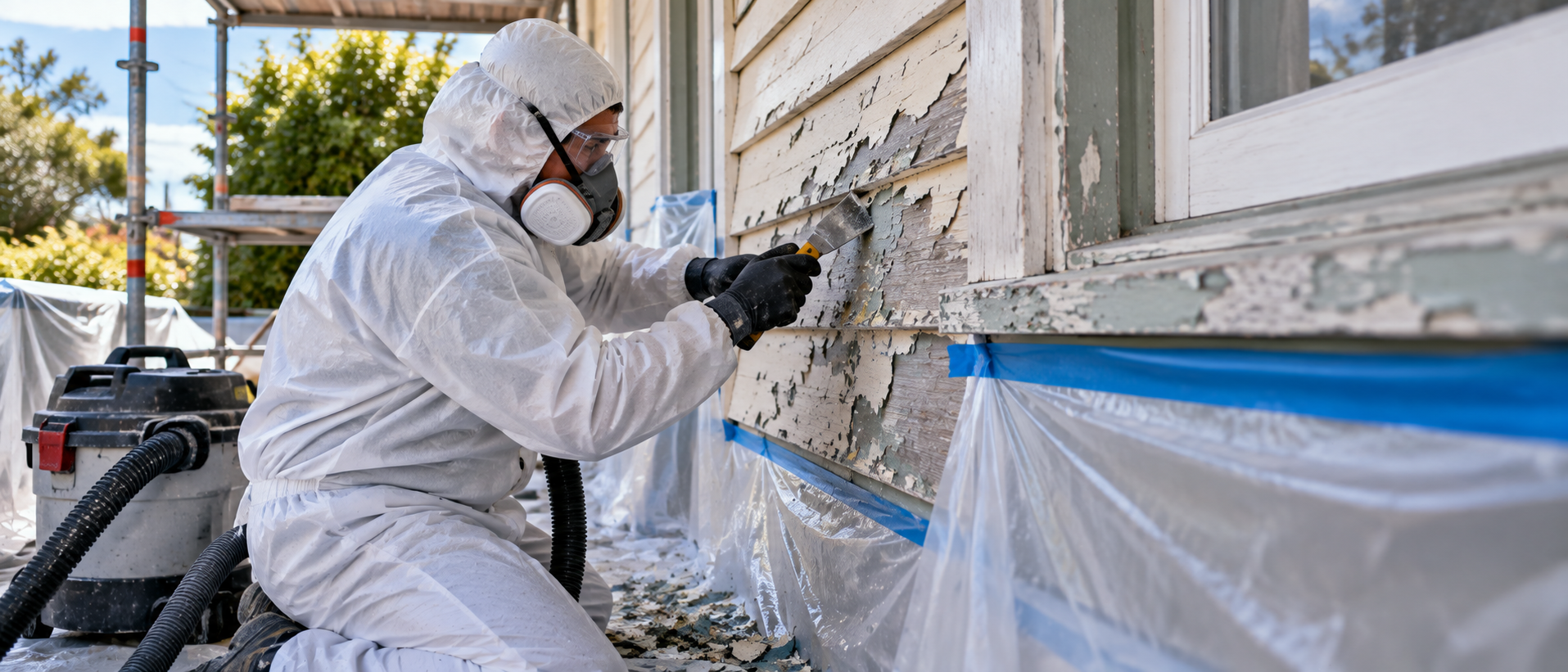
Lead paint presents a greater health risk when it deteriorates or is disturbed during sanding, scraping or renovation work. These activities can release hazardous dust and paint particles, making appropriate precautions essential.
We assess potential lead paint hazards and plan suitable removal or coating preparation methods based on the surface condition. Our approach focuses on controlling dust, protecting surrounding areas and handling waste responsibly, in line with applicable New Zealand safety requirements.
WHAT WE DO
Safe procedures from start to finish.
Identifying suspect coatings and arranging suitable testing where required.
Protective barriers and dust controls suited to the removal method.
Wet scraping, chemical stripping or HEPA vacuuming. When dry sanding is required, we use a high-quality vacuum sander to best contain any lead-based particles.
Where required, we monitor airborne lead dust.
We collect lead-contaminated materials and manage them for suitable disposal.
After removal, we test the surfaces and clean thoroughly.
HOW IT WORKS
Safe, methodical, documented.
We discuss the property, assess the affected surfaces and determine any testing needs.
The work area is protected, and suitable dust-control measures are established.
The agreed removal method is carried out using all the appropriate safety precautions.
Waste is collected, the area cleaned, and any required verification is arranged.
WHY SILVER STATE
We follow WorkSafe NZ guidelines on every lead paint job.
An understanding of the painted surfaces found in Auckland villas and bungalows.
Work methods and precautions considered before disturbing older coatings.
Straightforward explanations of the proposed work, precautions and costs.
LEAD PAINT IN OLDER HOMES
Lead-based paint was widely used in New Zealand before restrictions progressively reduced its use. Homes built before 1980 are more likely to contain older lead coatings, particularly where original paint layers remain beneath newer finishes.
Lead paint can be found on both interior and exterior surfaces. Traditional villas, bungalows and other older properties may have several layers of paint, making it difficult to identify lead simply by looking at the surface.
Common areas where lead-based coatings may be present include:
If you’re planning renovations, sanding, or repainting an older home, identifying potential lead coatings beforehand helps you choose the safest approach.
Get a free assessmentSafe removal methods
Dry sanding creates fine lead dust that spreads through the home and is easy to inhale. Sometimes dry sanding is required, but we use vacuum sanders to contain the particles. This mitigates the the primary exposure risk, especially for children, pregnant women and pets.
The correct methods are wet scraping, chemical stripping, or HEPA vacuuming with proper containment. Each has its place depending on the substrate and the extent of the lead paint.
We set up containment before any work starts. Plastic sheeting seals off the work area. Where required, we run negative air machines to prevent dust escaping. All workers wear appropriate PPE. We bag all waste and dispose of it at approved facilities.
After removal, we test surfaces and clean thoroughly. Only once the area passes clearance do we move to repainting.
We follow WorkSafe NZ guidelines on every lead paint job. Documentation is provided.
Discuss your projectFAQ
If your home was built before 1980, older coatings may contain lead. Testing is the most reliable way to confirm whether lead is present before renovation or removal work begins.
Lead paint in good condition generally presents a lower exposure risk than deteriorating or disturbed coatings. However, peeling, chalking, or damaged paint can release lead-contaminated particles and should be assessed.
In some cases, yes. If the existing coating is sound and the surface is suitable, repainting or encapsulation may be an option. Flaking, damaged or poorly adhering paint may require controlled removal or other preparation first.
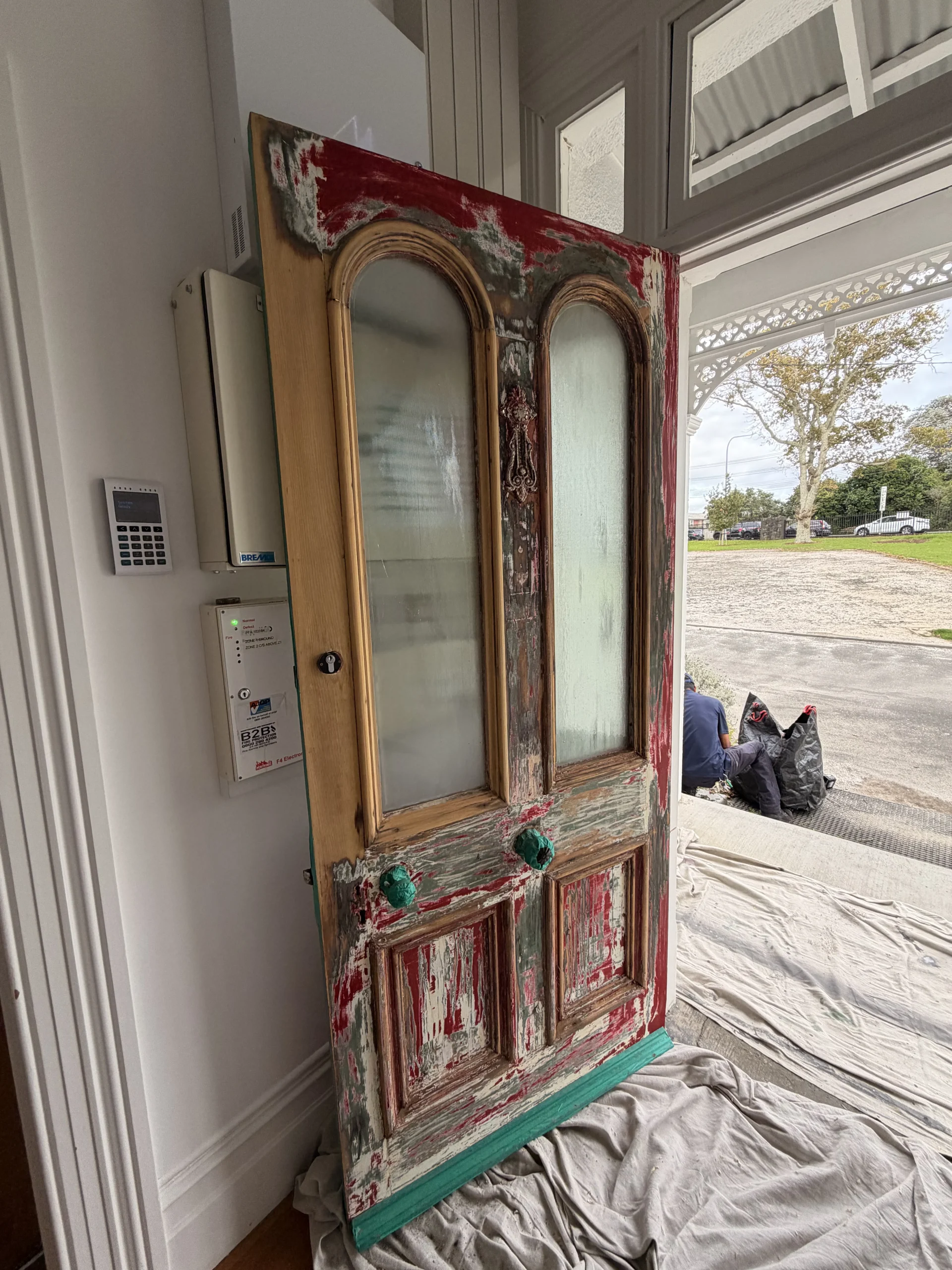
Windows and doors are common areas for older lead-based coatings. Friction from opening and closing can disturb paint and create dust, so these surfaces may require particular attention. Removal or replacement is not always necessary.
Lead-contaminated waste needs to be collected, contained and disposed of appropriately. We’ll discuss the waste-handling requirements for your project as part of the proposed removal work.
The requirements depend on the nature of the work, exposure risks and applicable regulations. We’ll discuss the appropriate safety measures and whether specialist testing or additional services are required.
Get a free, no-obligation quote for your project. Tell us what you have in mind, and we'll assess your requirements and provide a clear, detailed price before work begins.